THE RIGHT TOOL. A BETTER BUILD. Independent thinking for UK tool buyers
Our approach
UNDERSTAND THE TRADE-OFF

Corded vs cordless tools: choose for the working day

Cordless tools can be convenient when you move between jobs or work away from a suitable socket. Corded tools can make sense where a reliable power supply and managed cable route fit the workspace. Neither power source is a complete performance verdict. Compare exact models for the material and workload, then include charging, cables, accessories, handling and storage in the buying brief.

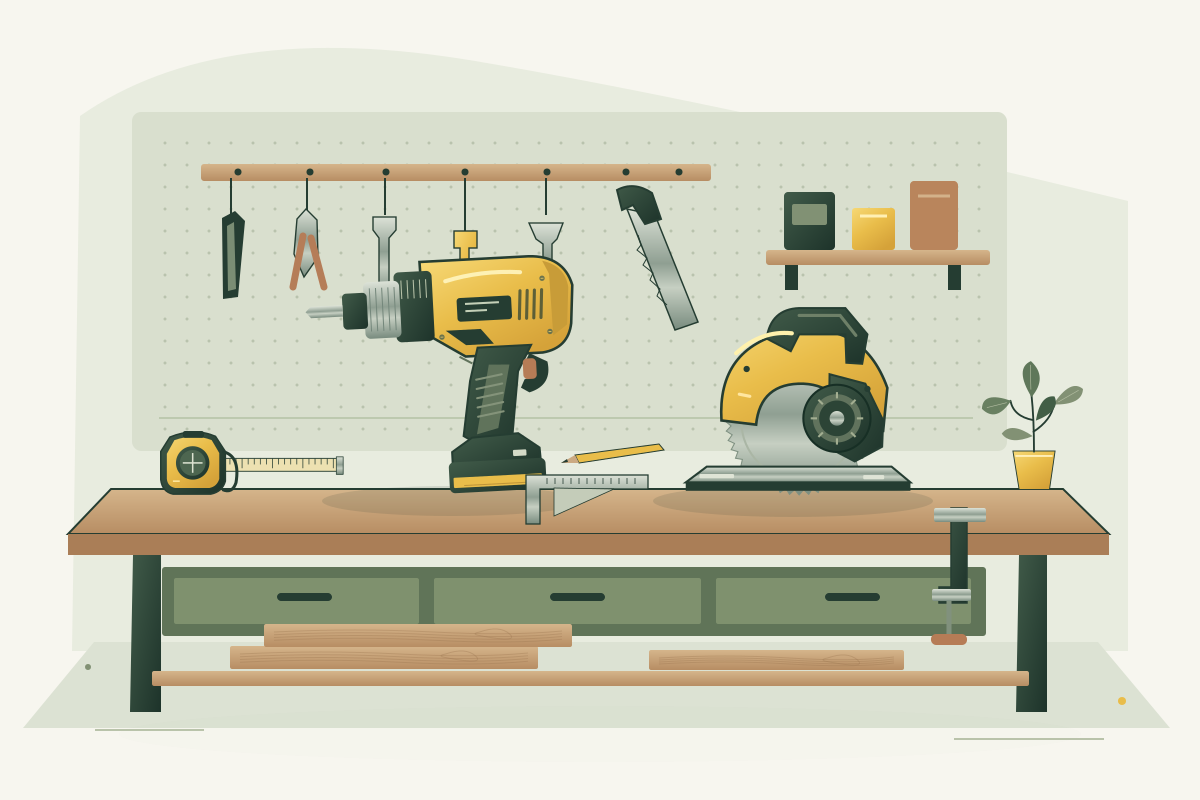
Illustration accompanying the comparison of corded tools and cordless toolsTHE JOB COMES FIRST.

Educational tool-type comparison. General principles and buying considerations; no hands-on testing, model rankings or verified live prices. Check exact product documentation before buying.

THE SHORT VERSION

Two approaches.
Different strengths.

01 / YOUR OPTIONS

Corded tools

Tools supplied through a suitable mains connection, considered with the cable arrangement the work requires.

Where it helps

  • Can suit work in a planned space with an appropriate supply.
  • No tool battery needs charging or rotating during the job.
  • Worth comparing when cordless mobility does not solve a frequent problem.

Keep in mind

  • Cable routing, access and electrical precautions are part of the setup.
  • A socket being nearby does not establish that every connection is suitable.
  • Portability depends on the complete power arrangement, not just tool weight.
02 / YOUR OPTIONS

Cordless tools

Tools powered by a compatible battery system, considered with packs, charging and likely future purchases.

Where it helps

  • Convenient to investigate when work moves between suitable locations.
  • A documented shared platform may serve several tools.
  • Removing a mains lead from the tool can simplify some working arrangements.

Keep in mind

  • Runtime depends on the exact tool, battery, material and load.
  • Batteries and chargers add cost, storage and planning requirements.
  • A larger pack can alter the weight and balance of the tool.
SIDE BY SIDE

The differences that matter.

These are type-level distinctions. Features, fittings and capacities vary by exact model.

Corded tools and Cordless tools: buying considerations
ConsiderationCorded toolsCordless tools
Working locationA suitable supply and cable route are availableMobility or changing locations is useful
Power planningAppropriate connections and cable managementCompatible packs and charging arrangements
HandlingAssess the complete tool and lead arrangementAssess the tool with the chosen battery fitted
Ongoing ownershipTool, accessories and suitable power setupTool, packs, charger and platform needs
Performance comparisonUse evidence for the exact modelUse evidence for the exact model
PUT THE JOB IN THE PICTURE

Which sounds like your work?

01 / THE SITUATION

A fixed workshop with suitable power access

Compare corded and cordless exact models fairly

Mobility may be less important than handling, accessories and the complete setup.

02 / THE SITUATION

Frequent movement between appropriate working areas

Investigate a cordless system

Plan compatible packs, charging and the workload instead of relying on a runtime assumption.

03 / THE SITUATION

You already own a battery platform

Check its exact compatibility and range

Existing batteries can be useful, but they do not make every body-only tool a suitable purchase.

Start with where and how long you work

A fixed workspace with a suitable supply asks a different question from several small jobs in different places. Note how often you move, where the work can be carried out appropriately and whether power access is a recurring obstacle. Cordless convenience is most valuable when it solves a real part of that routine, rather than an imagined future project.

For extended work, look at the complete arrangements on both sides. A corded setup needs appropriate connections and a managed lead route. A cordless setup needs suitable batteries, charging access and a realistic plan for the workload. Do not assume that buying one larger battery guarantees an uninterrupted session.

Compare capability and handling separately

There is no reliable rule that every corded tool is more capable than every cordless one, or the reverse. Motor design, gearing, electronics, accessories and the whole machine affect the job it can do. Start with the manufacturer’s intended applications, then assess relevant evidence for the exact models you are considering.

Weight also needs a like-for-like check. A bare cordless tool is not the configuration you will hold while working. A fitted battery changes the total weight and can affect balance. Equally, a lead affects how a corded tool can be positioned. Where possible, consider handling in a realistic configuration rather than comparing isolated specification numbers.

Price the system you will actually own

For a new cordless purchase, include a supported battery and charger unless compatible equipment is already available. Consider the next tools you genuinely expect to need and check their compatibility rather than relying on a shared brand name. A battery platform can be useful, but it is not a reason to buy tools without a job for them.

For either approach, budget for the suitable blade, bit, abrasive or other accessory, along with required dust management and support. Check storage and maintenance instructions too. The aim is a complete usable setup, not the lowest advertised body price or a claim that one power source will suit every future task.

Keep these in mind.

  • Power source is not a universal performance ranking.
  • Include cables or batteries in the working arrangement.
  • Compare complete costs and realistic handling.
BUILD THE REST OF THE PICTURE

A useful next read.

Explore the knowledge base →